Patanjali Electric Scooter Launched: Budget EV buyers are now focusing on long real riding range, ultra low electricity running cost per km, and affordable entry ownership instead of petrol expense or engine maintenance cost, and this commuter electric scooter positioning directly targets those priorities. With EV adoption expanding across small towns and semi-urban India and fuel prices remaining unpredictable, practical range electric scooters are becoming strong daily mobility solutions for workers, students, and family commuters.
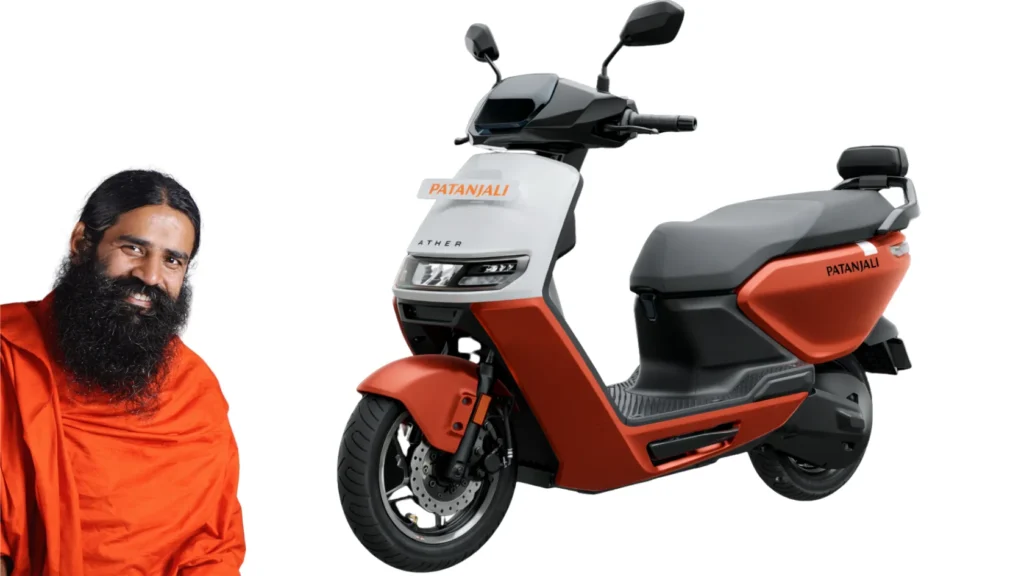
Platform Design and Daily Commuter Practicality
If built as daily commuter electric scooter, design would likely focus on wide seat comfort, flat floorboard usability, and stable chassis balance for traffic riding. Expected wheel size would likely stay between 12–14 inches for better road grip and pothole stability. Ground clearance would likely remain near 160–175mm supporting Indian road conditions. Lightweight chassis engineering would likely help maintain strong riding range efficiency.
Battery Pack and Real Riding Range
If 210Km certified range target is achieved, battery capacity would likely fall between 4kWh to 5kWh lithium battery pack. Real-world mixed riding range would likely stay near 150–175Km depending on riding mode, traffic conditions, and rider weight. For average daily usage of 25–35Km, charging frequency could remain once every 4–5 days for most users.
Motor Power and Performance Reality
Expected motor output would likely fall between 3.5kW to 5kW peak power for commuter performance tuning. This would allow smooth city acceleration and stable cruising speeds. Top speed near 75Km/h fits daily commuter scooter category focused on efficiency and safe usability. Torque delivery would likely focus on strong low-speed pickup for traffic riding comfort.
Charging Time and Home Charging Setup
Standard home 15A socket charging would likely support full charging in roughly 5–6 hours depending on battery capacity. If fast charging support is included, 20–80 percent charging could happen in roughly 45–60 minutes depending on charger rating. Home overnight charging would likely remain primary charging method for most users.
Features and Smart Technology Possibility
If positioned as smart commuter EV scooter, expected features could include digital instrument display, mobile app battery monitoring, ride analytics, navigation assist, and OTA software updates. Safety hardware could include combined braking system, regenerative braking, and side stand safety cut-off. Premium variants may include keyless start and anti-theft alert integration.
Price and Finance Reality
If ₹8,999 down payment promotional plan is offered, this would likely be part of finance scheme with remaining amount converted into monthly EMI depending on interest rate and loan tenure. Final ex-showroom price could likely stay between ₹90,000 to ₹1.15 lakh depending on battery size and final variant positioning. Running cost could remain near ₹0.25–₹0.35 per km depending on electricity tariff.
Disclaimer: This article is for informational and expectation-based analysis. Final specifications, pricing, range, finance structure, and launch details may vary based on official company announcements and market conditions. Buyers should verify final details from authorised dealers before purchase decisions.